
A Beginner's Guide to Curry
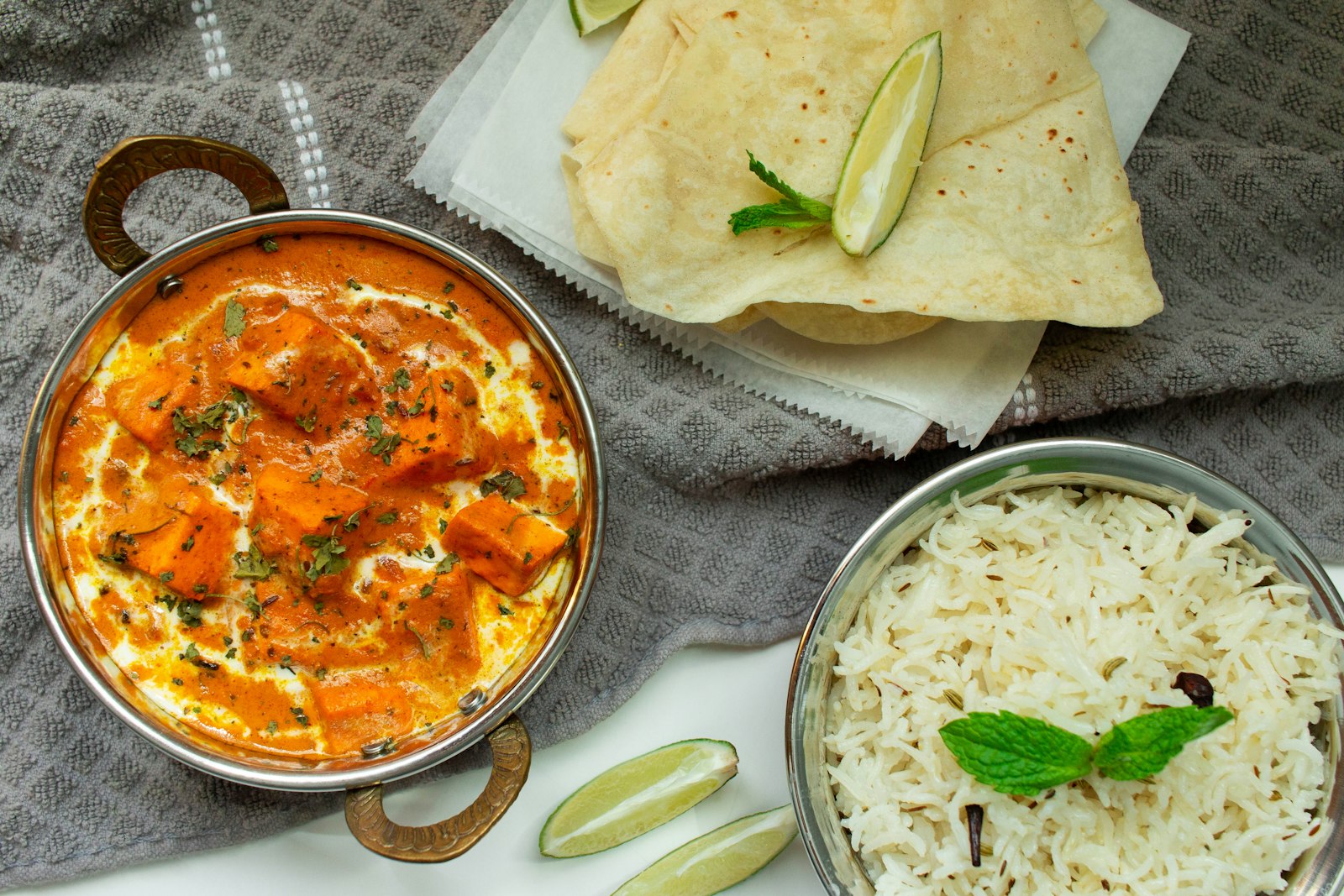
Curry isn't one dish. It's a catch-all name for spiced, saucy stews from many different kitchens around the world, and knowing a little about where it comes from makes it easier to cook.
Where the word comes from
When British traders reached South India in the 1600s, they met a huge range of richly spiced stews and grouped them all under one word. "Curry" most likely comes from the Tamil word kari, meaning sauce. Because the label was an outsider's shorthand, it covers dishes from many separate cooking traditions rather than one particular recipe.
Garam masala and curry powder
Many Indian curries are seasoned with garam masala, a blend of toasted, ground spices that can include coriander, cumin, cardamom, cloves and nutmeg. There's no single formula; every family and every cook mixes it a little differently. The yellow curry powder sold in stores is a close relative of these blends.
Curries around the world
Most curries follow the same basic pattern: a blend of ground spices flavors a sauce that's served with rice or another starch to soak it up. From there, each cuisine goes its own way.
- Jamaica: fiery heat and a signature note of allspice.
- West Africa: spice balanced with pieces of fruit.
- Japan: milder and a little sweet, built on the flavor of British-style curry powder.
- Thailand and Southeast Asia: a paste instead of a dry powder, often pounded in a mortar and pestle from toasted dried spices, chiles, lemongrass, makrut lime leaves, cilantro and shrimp paste.
Whichever direction you take, a pot of curry is a good home for whatever vegetables are in season at the market.
Adapted from a recipe in the Milk Lady Markets recipe collection.